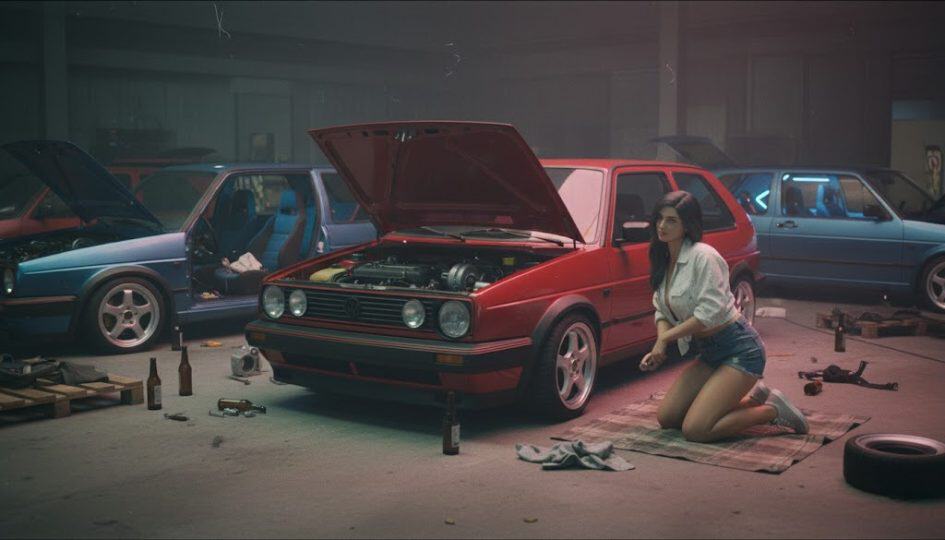
When viewers notice a familiar Volkswagen Beetle, Golf, or Transporter van appearing briefly in an adult film, it can feel surprising or even ironic. After all, Volkswagen is one of the world’s most recognizable automotive brands, associated with reliability, affordability, and everyday life. What, then, explains its occasional presence in film porno gratuit?
This article explores whether Volkswagen cars appear in adult films purely by coincidence or whether they carry deeper cultural meaning. Rather than focusing on explicit content, the analysis looks at brand perception, practical accessibility, and countercultural symbolism. By examining these factors, we can better understand how ordinary consumer products—especially cars—find their way into unexpected corners of visual culture.
Understanding Adult Cinema as a Cultural Space
Before analyzing Volkswagen’s role, it is important to understand adult cinema itself as a cultural medium.
More Than Explicit Content
Adult films are often discussed solely in terms of sexuality, but they also function as low-budget narrative productions. Like mainstream films, they require:
- Locations
- Props
- Vehicles
- Costumes
Cars in adult films frequently serve practical storytelling purposes—establishing a character’s lifestyle, social status, or setting—rather than symbolic or erotic ones.
Budget Constraints and Realism
Most adult film productions operate with significantly smaller budgets than mainstream cinema. This limitation encourages filmmakers to rely on readily available, everyday objects, including personal vehicles owned by cast or crew. As a result, cars in adult films often reflect what is common on the street rather than what is aspirational.
This context helps explain why Volkswagen vehicles, known for their ubiquity and affordability, may appear more often than luxury brands.
Volkswagen: A Brand Built on Accessibility
One of the strongest explanations for Volkswagen’s appearance in adult cinema lies in its long-standing brand identity.
The “People’s Car” Philosophy
The name Volkswagen literally translates to “people’s car.” From its early history, the brand positioned itself as:
- Affordable
- Practical
- Mass-market friendly
This philosophy led to widespread ownership across generations and socioeconomic groups, particularly in Europe and North America.
When filmmakers need a realistic, non-distracting vehicle, Volkswagen models naturally fit the bill.
High Ownership Rates
Volkswagen has sold tens of millions of vehicles worldwide. Models like the Beetle, Golf, Jetta, and Passat have been especially common in urban and suburban environments.
In adult film production, where:
- Cars are rarely rented
- Brand placement deals are uncommon
- Personal vehicles are frequently used
High ownership rates translate directly into higher on-screen visibility.
The Role of Practicality in Film Production
No Brand Deals, No Restrictions
Unlike mainstream Hollywood productions, adult films rarely engage in formal product placement agreements. This has two important implications:
- Brands are not curated or protected
- Vehicles appear organically, based on availability
Volkswagen’s lack of strict visual licensing enforcement in low-budget productions also makes it a safe choice. Luxury brands may avoid association with adult content, but Volkswagen vehicles often appear incidentally rather than intentionally.
Neutral Visual Design
Volkswagen cars are visually understated. They are not overly flashy, aggressive, or attention-seeking. This neutrality makes them ideal background elements that do not distract from the scene’s primary focus.
From a filmmaking perspective, this is an advantage.
Counterculture and Volkswagen’s Historical Associations
Beyond practicality, Volkswagen also carries a rich countercultural legacy that adds symbolic depth to its appearances.
The Beetle and the 1960s Counterculture
During the 1960s and 1970s, the Volkswagen Beetle became an icon of:
- Anti-establishment values
- Youth movements
- Individualism
It stood in contrast to large American cars and represented simplicity, rebellion, and nonconformity.
Adult cinema, especially in its early decades, also existed outside mainstream cultural acceptance. The shared outsider status between the Beetle and adult film culture may have subtly reinforced their pairing.
The Volkswagen Bus and Freedom
The Volkswagen Type 2 (Microbus or Transporter) became synonymous with:
- Road trips
- Communal living
- Sexual liberation
In this context, the presence of a Volkswagen van in adult cinema can evoke themes of freedom, experimentation, and rejection of social norms—without needing explicit symbolism.
European Sensibilities and Volkswagen
A More Relaxed Cultural Attitude
In many European countries, attitudes toward sexuality in media have historically been more relaxed than in the United States. Volkswagen, as a German brand with strong European roots, often appears in European adult films simply because it reflects local reality.
In these productions:
- Volkswagen is not a statement
- It is part of everyday life
This normalization reinforces the idea that the brand’s presence is coincidental rather than provocative.
Authentic Settings Over Glamour
European adult cinema has often emphasized realism over fantasy. Modest apartments, real streets, and everyday vehicles contribute to this aesthetic. Volkswagen fits seamlessly into such environments.
Symbolism Without Intent: The Power of Familiarity
Ordinary Cars, Ordinary People
One reason Volkswagen cars may resonate in adult films is their association with normality. Unlike luxury vehicles that suggest wealth or power, Volkswagen models imply:
- Middle-class life
- Youthful independence
- Practical adulthood
This can subconsciously reinforce the idea that the characters are “real people” rather than exaggerated fantasies.
The Comfort of the Familiar
Familiar objects reduce cognitive distance. When viewers recognize a common car, it can make the setting feel more believable and grounded. This effect is not unique to adult cinema, but it is particularly relevant in productions that aim for authenticity.
Typical Volkswagen Appearances
Certain recurring patterns can be identified…
The Volkswagen Hatchback
Compact hatchbacks like the Golf or Polo often appear in:
- Urban street scenes
- Parking lots
- Transitional shots
They function as neutral, believable vehicles for young or middle-aged characters.
The Volkswagen Sedan
Models such as the Jetta or Passat typically suggest:
- Stability
- Office or commuter lifestyles
These associations help establish character backgrounds quickly and efficiently.
The Volkswagen Van
When vans appear, they often evoke:
- Travel
- Adventure
- Informality
This ties back to the brand’s countercultural heritage rather than any explicit intent.
Brand Control and Corporate Distance
Volkswagen’s Likely Position
There is no evidence to suggest that Volkswagen actively seeks representation in adult cinema. On the contrary, large corporations generally avoid such associations.
However, Volkswagen’s market saturation makes total avoidance impractical. When millions of vehicles are in circulation, incidental appearances are inevitable.
Passive Visibility vs. Active Placement
It is important to distinguish between:
- Active product placement, which involves contracts and approval
- Passive visibility, which occurs naturally
Volkswagen’s appearances in adult films fall firmly into the second category.
Audience Interpretation and Cultural Meaning
Meaning Is Created by Viewers
Even if filmmakers have no symbolic intent, viewers may still assign meaning to what they see. Over time, repeated exposure can lead to perceived patterns.
Some viewers may interpret Volkswagen’s presence as:
- A nod to realism
- A symbol of accessibility
- An echo of countercultural values
None of these interpretations require explicit messaging.
Cultural Layers Accumulate
Cultural symbols are rarely planned. They emerge through repetition and context. Volkswagen’s long history in both mainstream and alternative media makes it particularly susceptible to layered interpretations.
Coincidence or Cultural Symbol?
So, is Volkswagen’s presence in adult cinema coincidence or cultural symbolism?
The Balanced Answer
The most accurate conclusion is that it is primarily coincidental, driven by:
- Accessibility
- Ownership rates
- Practical filmmaking needs
However, coincidence does not exclude meaning. Over time, Volkswagen’s historical associations with counterculture, realism, and everyday life have layered symbolic interpretations onto these appearances.
Conclusion
Volkswagen cars appear in adult cinema not because of deliberate brand messaging, but because they are deeply woven into everyday life. Their affordability, ubiquity, and neutral design make them ideal background elements in low-budget productions that prioritize realism.
At the same time, Volkswagen’s countercultural history and “people’s car” identity allow these appearances to carry subtle cultural resonance. What begins as a practical choice can evolve into a symbolic one through repetition and audience interpretation.
Ultimately, Volkswagen’s occasional presence in adult films says less about sexuality and more about how ordinary objects travel across cultural boundaries, quietly reflecting the societies in which they exist.
In that sense, the question is not whether Volkswagen belongs in adult cinema—but whether any truly universal brand can ever remain confined to just one cultural space.
Recent Comments